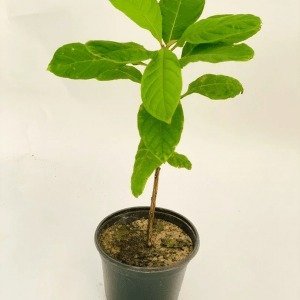
🌳 Indian Almond Tree (Terminalia catappa)
Add a touch of tropical elegance to your garden with the Indian Almond Tree, renowned for its expansive canopy and seasonal foliage transformation.
🌟 Key Features:
-
Botanical Name: Terminalia catappa
-
Common Names: Indian Almond, Tropical Almond, Malabar Almond, Sea Almond
-
Origin: Native to tropical regions of Asia, Africa, and Australia
-
Growth Habit: Large deciduous tree with a symmetrical, vase-shaped canopy
-
Mature Size: Typically reaches 15–30 meters in height
-
Foliage: Large, leathery leaves that turn vibrant red or yellow before shedding
-
Flowers: Small, white to greenish blooms in spikes
-
Fruit: Oval drupe with a fibrous, edible seed resembling an almond
-
Sunlight Requirements: Thrives in full sun
-
Soil Preferences: Prefers well-drained, slightly acidic to neutral soil
-
Watering Needs: Moderate; drought-tolerant once established
🌱 Garden Appeal:
The Indian Almond Tree is celebrated for its striking appearance and adaptability. Its expansive canopy provides ample shade, making it an excellent choice for large gardens and parks. The tree’s seasonal foliage transformation adds visual interest, while its edible seeds offer a unique culinary touch.
🛒 Ideal for Your Landscape:
Incorporate the Indian Almond Tree into your landscape to enjoy its beauty and practical benefits. Its resilience and low maintenance make it a valuable addition to various settings.